Expert advocates citizen-focused new health system for Nigeria

Emeritus Professor Oladipo Akinkugbe has called for a new health system that is tailored to the needs of the ordinary man in the street

Why Nigerians defecate publicly

Special report on why improved public awareness is not enough to reduce public defecation in Nigeria

First aid tips to save accident victims

The first few minutes of a medical emergency are always critical, but nearly two thirds of us admit we wouldn’t know what to do

Study identifies risk factors associated with neonatal deaths in Nigeria

A new study has identified risk factors associated with neonatal deaths in Nigeria using the 2008 Nigeria Demographic and Health Survey

Doctors call for Lassa fever treatment centers in south east Nigeria

The South East zonal caucus of Nigeria Medical Association (NMA) has enjoined the Nigerian government to establish health centres and facilities where Lassa fever patients could be treated and managed

Memories of error improve our learning speed, research reveals

Researchers at Johns Hopkins Medicine in Baltimore, MD, think they have discovered why people learn an identical task faster on subsequent attempts. Publishing their findings in Science Express, the team says our memories of error are the key to faster learning.

Experimental Ebola drug to become more widely available

The World Health Organization (WHO) said it would convene a meeting of medical ethics experts next week to consider the implications of making experimental Ebola drugs more widely available.

Blood Test for Suicide May Come From Stress Gene Defect


A gene tied to negative thoughts and impulses may lead to a blood test predicting suicide risk, according to researchers who said such a tool could help prevent a leading cause of death.

Handshakes spread more germs than fist bumps, new study reveals

A new study conducted in UK said fist bumps spread far fewer germs than the traditional handshake, and even the high five.

HPV test outperforms Pap for predicting cervical cancer

A new study involving data on more than 1 million women finds the HPV test outperforming the standard Pap test in assessing cervical cancer risk.

Less sleep quickens brain aging - research reveals

The less older adults sleep, the faster their brains age, a new study has warned. The findings could have important implications for the rise of dementia among the elderly, researchers said. Past research has examined the impact of sleep duration on cognitive functions in older adults.

New inhaled drug treats asthma and allergies

A new inhaled medication has the potential to treat mild asthma and allergies by interrupting the production of an immune system protein that triggers allergic reactions, a new study reports.

Nigeria to determine indigenous reference values for lab investigations

Nigeria is set to have its own localised and evidence-based laboratory 'normal values' to be acceptable in medical diagnosis of her population while using blood testing samples.

Childhood malnutrition linked to poor heart development

Inadequate nutrition before birth up to the age of 5 years might affect the development of the heart.

Study identifies risk factors associated with neonatal deaths in Nigeria

As Nigeria continues to have one of the highest rates of neonatal deaths in Africa, a new study has identified risk factors associated with neonatal deaths in Nigeria using the 2008 Nigeria Demographic and Health Survey (NDHS).

Malaria immune children in Tanzania aiding vaccine research

Tanzanian children who are naturally immune to malaria are helping scientists to develop a new vaccine.

Ireland to become Europe's fattest country - report

A new study released by the World Health Organization (WHO) and UK Health Forum revealed that Ireland is predicted to become the fattest country in Europe by 2030.

Closing the gap between diarrhea care of African children could save 20,000 lives - new study

Young children suffering from diarrheal diseases are less likely to receive life-saving oral rehydration therapy (ORT) if they seek treatment at private, for-profit clinics, according to the first-ever, large-scale study of child diarrhea treatment practices in sub-Saharan Africa. 

Study shows aspirin may promote pregnancy after miscarriage

Taking low-dose "baby" aspirin during pregnancy may prevent a serious complication many women face, preeclampsia. The U.S. Preventive Services Task Force today published a draft of their recommended guidelines and final evidence summary on prescribing low-dose aspirin as a preventive measure against preeclampsia for pregnant women at high risk for the condition.

Marriage improves health, lowers risk of heart diseases - new study

A new nationwide study by researchers at New York University has revealed that having a spouse can improve your health. It said marriage lowers your risk of heart disease by five percent. 

Philips to establish Research & Innovation Hub in Africa


Royal Philips today announced the establishment of its Africa Innovation Hub in Nairobi, Kenya, which underlines the company’s commitment to invest in Africa. The Philips Africa Innovation Hub will work both on the creation of new inventions, as well as bringing these inventions to the market.

[Vox Pop] Nigerians speak on new vaginal gel that protects against HIV


Last week, researchers in USA developed a new vaginal gel that could help to protect women from HIV even if applied three hours after sex.

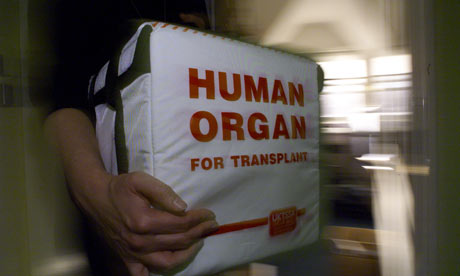
Centralizing organ removal may benefit transplants - new study

For decades, surgeons have traveled to far-off hospitals to remove organs from brain-dead donors and then rushed back to transplant them. Now an experiment in the Midwest suggests there may be a better way: Bring the donors to the doctors instead.

AstraZeneca boosts health research in Nigeria with new research grant


AstraZeneca Nigeria Research Grant, an initiative to facilitate research in both communicable and non-communicable diseases (NCDs), has been launched. The grant follows closely on the recent successful launch of a similar venture in Kenya earlier this year.

Human Pappiloma Virus could be transmitted non sexually - new study

Common disinfectants do not kill human papillomavirus making non-sexual transmission of the virus possible, U.S. researchers say.